• Home
  • About Me
    • Privacy Policy
  • Categories
    • About Me
    • Books
    • Goals
    • Life
    • Recurring Series
  • The Friendship Paradox
  • Travel
    • Asheville, NC
    • Cruising
    • San Juan, Puerto Rico
    • Savannah, GA
    • Ireland
    • Boston, MA
    • Chicago, IL
    • Niagara Falls
    • Email
    • Facebook
    • Instagram
    • RSS

Stephany Writes

Categories: About Me

My New Rules for Dating

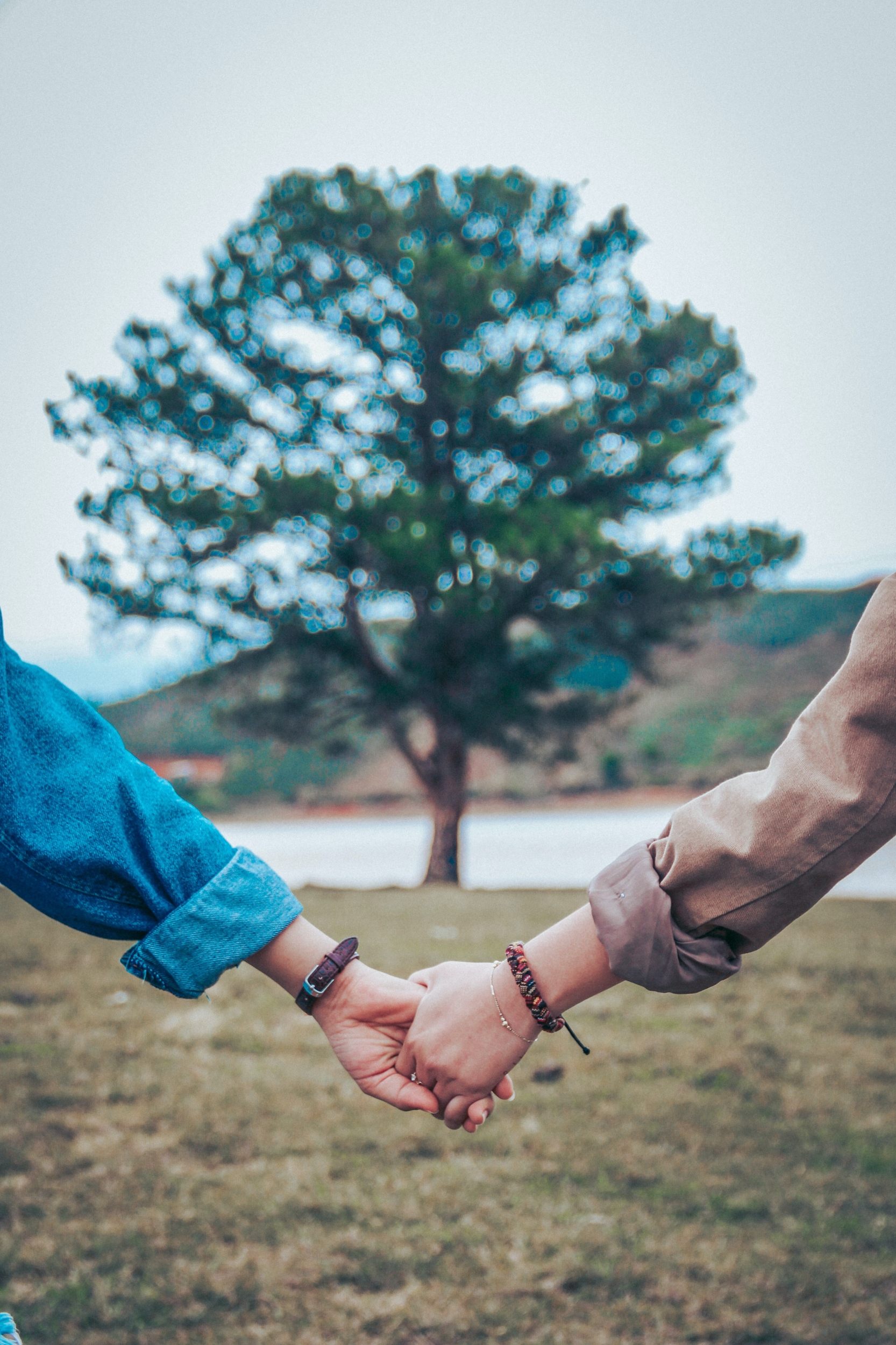
Reading Logan Ury’s book, How Not to Die Alone, was a transformative experience for me. For once, I didn’t feel like I was weird for finding online dating so hard. She says in the book that yes, it is hard to date in this modern era of dating apps. It’s an entirely new experience from the way we evolved to find a partner (typically, the person in your neighborhood) and there are so many options (both with partners and with dating apps) these days. It’s hard to stand out and hard to take things from the phone screen to real life. Even more, meeting someone IRL is damn near impossible. Where is my adorable meet-cute in the fiction section of my favorite indie bookstore?! I know way more couples my age that met through dating apps than met IRL. Even my mom and stepdad met on a dating app!

I learned a lot from this book: how to set up a dating profile, how to make conversation over a dating app, how to set yourself up for success when it comes to first dates, and more. I learned so much that I developed a few new rules for dating that I plan on implementing in my dating life going forward:

1) Make sure every prompt on my profile is a “conversation starter.” This was a really good tip from the book, about making sure your profile has information that could be a good launching point for a conversation. It’s always so much easier to start a conversation with someone from a dating app when they have something interesting on their profile! Right now, I mainly use Hinge and Bumble and these apps use prompts to help foster communication between matches. I just need to make sure all of the prompts I have on my profile could lead to fun follow-up questions. Like, instead of saying, “What I’m looking for in a future partner is… someone kind and funny,” I could say, “What I’m looking for in a future partner is… someone who will willingly explore a bookstore with me.” Or something like that; something that just has a bit more personality and explains who I am.

2) Have a handful of opening lines to use. The opening line of a conversation is the hardest thing for me! Do you know how many times I’ve Googled, “best conversation starters for Bumble”? Too many to count. When there aren’t any interesting questions to ask based on the profile, I want to have a few opening lines in my back pocket to start the conversation with, rather than the lame “Hey! How is your day going?” Something like:

  • What’s something you’ve always wanted to learn to do?
  • What’s the last great book you read? (<– This one always makes me sad, though, because it feels like nobody reads anymore, ugh.)
  • What’s your favorite spot around town to spend a Saturday morning?

If you guys have any better opening lines, PLEASE LET ME KNOW. I am not great at coming up with my own. I want something that would be fun to answer, but also tells me a little more about their personality.

(I should mention that Bumble/Hinge also have a “question” feature where you can pick a question from a random list and both of you answer it. Sometimes I use that feature, but sometimes I feel really lazy about using it rather than asking a question on my own.)

3) Set aside time at least twice a day to swipe/respond to messages. I am terrible at keeping up with my dating apps. It just feels like so much work that sometimes, I’ll start a conversation with someone and then forget to open my dating app for a week. (Can you see why I needed this book?!) Thankfully, Ury doesn’t think you need to spend all day on your dating apps, but she does note that you should set aside time every day to swipe and respond to messages. I think I will set aside 10 minutes in the afternoon and 10 minutes in the evening for this. It can be something I do while reading on the couch or watching TV, and if I’m not actively messaging with anyone, I don’t need to spend, like, a full 10 minutes swiping (or I could use the time to update my photos, answer a new prompt, etc.). What I need is to schedule it into my day so I don’t go 3 days between messages (which is what just happened with someone I was messaging with, oops).

4) Set dates within 72 hours of messaging. Oh, setting that dreaded first date. I used to get so caught up in textual relationships—a relationship that mainly happens over text and dating app messages. I’ve gotten better about it. Once we’ve exchanged a few messages and things seem to be going well, I’ll propose meeting up for a coffee date.

5) Have a pre-date ritual. Before one first date I had, I put on my makeup while leaving a Marco Polo video for Mikaela, and that was such a lovely way for me to get excited about the date. I talked to her about the person I was going out with and what I was hoping for from the date, and that memory holds a special place in my heart. The book recommends that all daters have a pre-date ritual to put yourself in the right headspace. You shouldn’t be rushing out to the date in between work meetings or after a sweaty workout. Make it special! Maybe it’s doing a 10-minute meditation, or chatting on the phone with a friend, or drinking a small glass of wine beforehand to loosen you up. For me, I think I’ll probably continue doing these Marco Polo videos for Mikaela before each date. She’s someone who is always excited to hear about my dating life (without making me feel like I must go on dates and put myself out there), and it makes me feel a little less alone in this journey.

6) Have a go-to first date spot. One of my least favorite parts of dating is choosing that first date spot. Do we do dinner or a drink? A coffee shop or a bar? Do we meet in the middle or close to one of our homes? What’s the parking situation like? Should I Uber there or not? So many decisions before you ever get to that first date! That’s why I love this idea: just choose your first date spot and stick with it. I’ll probably need to find two first date spots: one near me in St. Petersburg and one in Tampa (at least with the men I’ve dated, if they live in Tampa, they do not want to come to St. Pete for a first date). But that way, I know exactly where I’m going, how long it takes to drive there, what the parking situation is, what the seating is like, and what to order. As someone with social anxiety, which makes dating 1000x harder, this is something that gives me a little slice of comfort before something as scary as a first date.

7) Have a debrief after the date. I loved this idea from the book of checking in with yourself after the date. Ury lays out a handful of questions to ask yourself so you can better understand how you really felt about the person you just went out with:

  • What side of me did they bring out?
  • How did my body feel during the date? Stiff, relaxed, or something in between?
  • Do I feel more energized or de-energized than I did before the date?
  • Is there something about them I’m curious about?
  • Did they make me laugh?
  • Did I feel heard?
  • Did I feel attractive in their presence?
  • Did I feel captivated, bored, or something in between?

In the book, Ury says that knowing you have these questions to answer after the date makes you more aware of how you’re feeling during the date. I am someone who is always fairly aware of how I’m feeling, especially whether someone is making me feel comfortable and relaxed or insecure and awkward. And this checklist focuses less on how the person looked and acted and what they said, and more on how I felt on the date. Even if it’s someone who checks all of my boxes, if I felt uncomfortable during the date, then that’s what I need to pay attention to.

8) Always say yes to a second date. I’ll admit that I am an all-or-nothing girl when it comes to dating. If I don’t feel that spark on the first date, I’m not going on the second date. It’s either there or it isn’t, but Ury stresses in the book that we should always say yes to a second date, even if the first one wasn’t that great. (Of course, if the person made rude comments or made you feel uncomfortable in any way, you do not owe anyone a second date!) But if it was just a lackluster first date, what’s the harm in giving it another shot with a second date? Maybe they were nervous or had a bad day or were distracted for some reason. This will be a hard rule for me to follow because I have limited energy levels and it’s difficult for me to keep going on dates with someone I’m not super excited about, but I’m going to give it a try and see how things go.

***

If this feels like a lot of work, hello, welcome to dating. It is a lot of work and that’s why I go through long periods of not dating. Putting in so much effort with the chance that it can be all for naught is one of the reasons I haven’t ever fully invested myself in the dating process. Add to the fact that I’m an introvert with social anxiety and sometimes dating feels like an insurmontable task, based on how I’m feeling on a particular day. But I do it because of the times when it has worked for me. When I have found someone I click with on such a deep level that they’re all I can think about. I do it for the butterflies, the anticipation, the way it feels to fall head over heels for someone. I do it because I want to find my person and I truly believe they are out there.
Categories: About Me

That Time of the Month

NOTE: Alright, you guys, I’m about to get fully “TMI” all about periods in this post. I know people have different comfort levels when talking about things like this, so I want to have this disclaimer up front if this isn’t your thing. But if it is, read on! It’s about to get real.

I was 10 and in 4th grade when I started menstruating. I was very much embarrassed by the whole process and furious at my mom for telling my dad, even though of course she did. We weren’t a family that was very open about things like this: periods and sex and private parts. So it felt like it should be something that should be kept between my mom and me.

Thinking back, I was so young when I started having periods. Elementary school! I remember that one of my closest friends in 5th grade also started her period early and we could commiserate with each other. However, she also had to deal with cramps every month and I didn’t start getting cramps until a couple of years later.

When I was younger, I was really bad at knowing when my period was coming (I doubt it was super regular back then, but even if it was, 12-year-olds aren’t the best at understanding schedules). I always seemed to get my period in the middle of the school day when I didn’t have a pad in my backpack to use. I’m sure I could have gone to the school nurse for a pad, but that was way too embarrassing to even contemplate! Instead, I would either wind toilet paper around my underwear or call my mom to come pick me up. When my mom was young, she would get awful, awful cramps during her period so her grandma would pick her up from school on those days—so she understood how I was feeling.

Back then, periods were something to be whispered about. My mom would always call it “that time of the month” and I doubt boys learned anything about periods during our sex ed classes. (My school put on a sex ed seminar for us in 5th grade, but they separated the boys and girls, and I am 99% sure the boys didn’t learn about periods.) I’m really glad that periods are less secretive now, but it’s hard for me to shake this feeling that they should be a private part of our lives. Even writing this post feels crazy! Should I really write 1,000+ words about periods? Ahh!

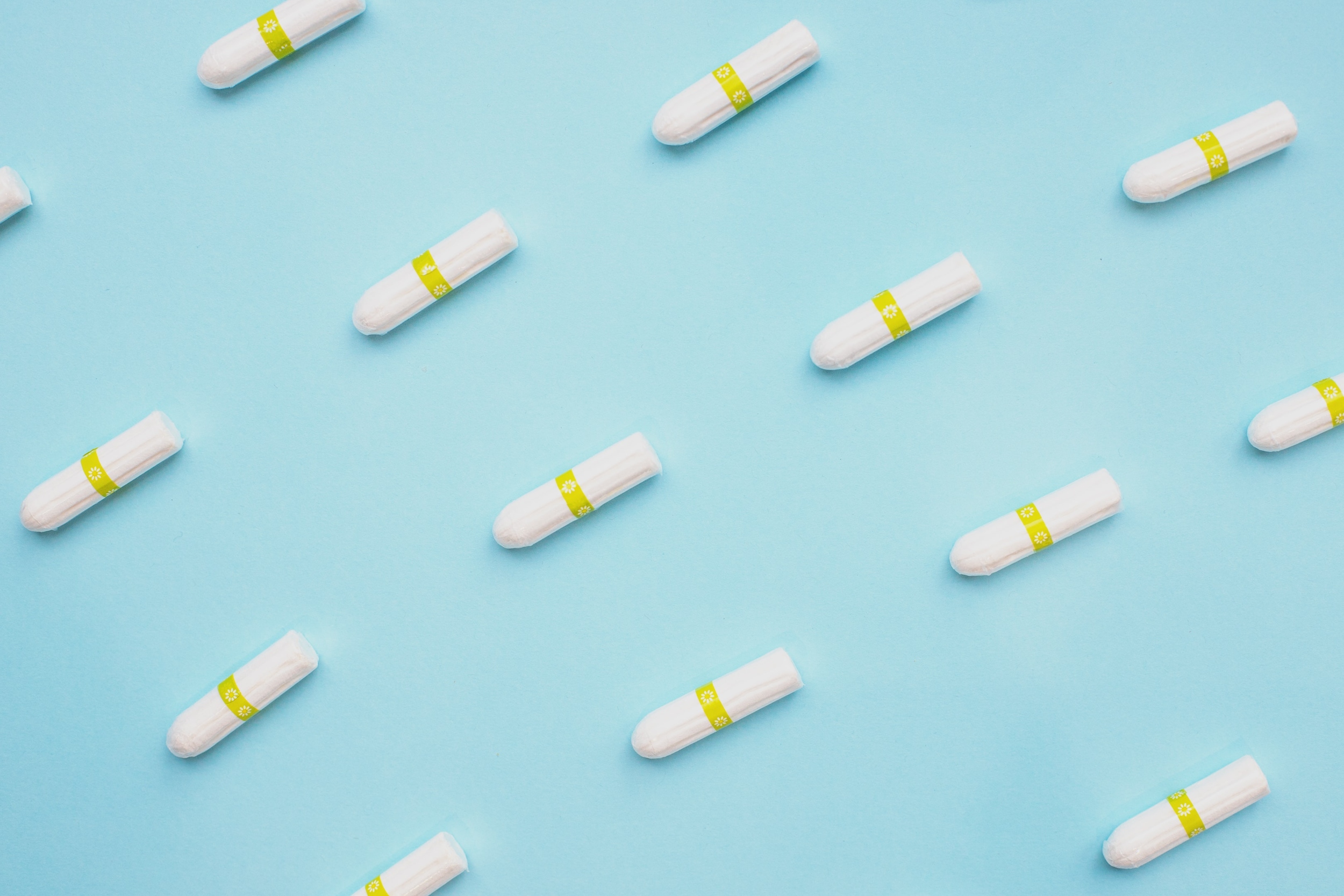
But periods are an essential bodily function that anyone who has a uterus has to deal with, and I’m really glad they aren’t such a secretive thing anymore. I hope that there are period products in middle and high school bathrooms, and that those who have periods feel comfortable talking about them. We shouldn’t have to hide our tampons in our pockets when we’re going to the bathroom, we should be able to take time off work for cramps and general malaise, and there most definitely shouldn’t be a tax on period products.

The Girl Next Door Podcast, one of my all-time faves, released an excellent episode all about periods a few weeks ago, which prompted me to write a post about the subject (I truly get all of my best blog ideas from this podcast). I loved the honest conversation they had about their own periods and the experiences they’ve had with different products. I wanted to continue this conversation so we can keep talking about periods because they are such a big part of the lives of uterus-having people and we need to talk more about them.

My history with my period

As I mentioned, I started having periods when I was 10 and they were fairly regular (28 days like clockwork!) right up until I was in my late twenties. Then, I started having really long cycles, around 40-50 days between periods. Some months, I would miss my period entirely! And when my period did come, it would be light with only 3-4 days of bleeding. I wasn’t all that worried about it at the time; I wasn’t sexually active or trying to have a baby. I was mostly happy that I didn’t have to worry about my period as much as other people did!

When I finally started seeing a gynecologist (I waited a long time to see a gynecologist for the first time because I was just way too embarrassed about letting a doctor see my private parts!), they were pretty concerned about my long cycles and prescribed birth control to try to help me regulate my periods. Another gynecologist was convinced that I have PCOS (polycystic ovarian syndrome) and wanted me to go through the rigamarole of diagnosis. I didn’t go through with everything I needed to do to get a diagnosis because it seemed like a lot of work (and a lot of money; an ultrasound was involved) for something that didn’t have a cure, only management. While there are some health conditions that can be attributed to PCOS (like type 2 diabetes), its main complications are pregnancy-related. PCOS could make it harder for me to get pregnant, make it easier for me to miscarry, and increase my chances of having gestational diabetes or premature birth if I were pregnant. These complications would be heartbreaking if I wanted to have a baby, but I don’t and I am so grateful for that. As such, getting a PCOS diagnosis wouldn’t change my day-to-day life very much.

Now, I’m on birth control mainly to regulate my periods and I tend to get a period every three months or so. I don’t mind being on birth control; it’s easy, it doesn’t mess with my hormones, and it keeps me from getting a period every month, which is A-OK with me! My periods last around 4-5 days with normal flow.

Cramps, PMS, and other side effects of my period

When I was younger, one of the tell-tale signs I would get before starting my period was a few days of light cramps. The cramps wouldn’t be anything too horrendous; just uncomfortable enough to remind me that my period was coming and I better get ready. Then, the day before getting my period, I would get really bad cramps that would continue through days 1 or 2 of my period. Ibuprofen and Midol were a godsend during those days. These days, the cramps usually only happen on the day my period comes and they can be uncomfortable, but one dose of ibuprofen is usually enough to keep the pain at bay.

I’ve never dealt with the more serious sides of PMS or PMDD, but I definitely go through moody periods that can be attributed to a hormone shift. These days, since I’m really out of tune with when my period will come (since it comes so infrequently and I’m no longer tracking my cycles), I always think that moodiness is due to my own anxiety disorder. So I’ll have a few days where I feel like my life is falling apart and everyone hates me and I’m crying at the drop of a hat… and then my period arrives and it’s like a lightbulb goes off. “Ohhh, ok. Just PMS then.” It always makes me feel better when that happens! We can’t control these crazy hormone swings, so we gotta just ride them out.

The other side effects I get from my period are bloating, feeling low energy, slight back pain, digestive issues, and hormonal zits. The bloating and low energy just make me feel a bit blah, but again, since I’m not tracking my periods, I often think this is a mental health crisis when it’s just my hormones. The back pain is mostly just a little irritating and makes me worry I strained a muscle during a workout or something. The digestive issues are, of course, no fun to deal with but surprisingly, this is the side effect that tips me off these days that my period might be coming. And, lastly, hormonal zits. I did not think I would still be getting zits in my mid-thirties but here we are. I get at least one during every period, always on my chin.

Period products

I can’t remember when I started wearing tampons. I think my mom wanted me to wait until I was at least 16 to start using them, so I wore pads for most of my preteens/teenage years. I never loved wearing pads (I especially hated the ones that came with the “wings” that you could attach to your underwear), but I was terrified about the process of wearing tampons. It seemed so complicated!

Eventually, though, I got the hang of wearing tampons and now that’s what I wear today when I’m on my period. I have been intrigued about menstrual cups, although I’m intimidated about the process of getting used to wearing one. I’m less concerned about the whole “cleaning it out” process since I work from home and I can just set up my day so I’m home when I need to change it. But what I am most intrigued to try are period underwear, like Thinx. Since I don’t have a very heavy flow these days, I think it would be so cool to not have to worry about changing out a tampon every few hours. Just put on the period underwear and go. If anyone has used period underwear, I want all of your thoughts and opinions!

Period stories

We all have some insane period stories, don’t we? Here are some of mine:

+ Like I mentioned above, I was so embarrassed about having a period when I was younger, especially since I started mine so early. When I was in 6th grade, I went to a week-long summer camp with my church group and I was worried that I was going to start my period during camp. Aside from the camp counselors, I was going to be one of the oldest there since this church group’s age limit was 12. As such, I knew I was going to be the only camper who had started her period. So instead, I prepped all of my underwear with pads. I had a separate stash of underwear without pads just in case I didn’t start my period while at camp, but I spent time painstakingly opening and sticking pads to another stash of underwear so I could just grab-and-go if necessary. (And good thing I did, because I did start my period while at camp!)

+ There was an afternoon when I was in middle school where my whole family was coming over to go swimming. I was so excited! And then I got my period. I begged my mom to let me try wearing a tampon so I could swim with everyone else, and she finally relented. We got tampons with cardboard applicators and it was nearly impossible for me to insert it. It hurt so much! I was able to swim with everyone, but I was so uncomfortable the whole time and I swore off tampons for a good long time after that.

+ Does anyone else worry that they’ve left a tampon inside them for days or weeks at a time? Because I sure do! It never fails that a few days after I finish my period, I start worrying that I forgot to take that last tampon out and it’s been stuck inside me and I’m going to need medical intervention to remove it. It’s the worst kind of fear because ugh, how embarrassing would it be to go to the ER for that and does this mean I’m going to get that dreaded toxic shock syndrome that I’ve always been worried about?! It’s never happened, but I know I can’t be alone in this anxiety. (Another reason to try period underwear!)

Categories: About Me

Alcohol Intolerance & How I Approach Drinking Today

I have a complicated history when it comes to alcohol and drinking in general. My grandfather (Pops) was a recovering alcoholic, so out of respect for him, we never had alcohol at our holiday gatherings, picnics, birthdays, etc. My dad would drink beer when he watched football games and such, but for the most part, I don’t remember us having beer, wine, or any other kind of alcohol in our home. We probably did, but my parents didn’t drink around us at all.

My only real association with alcohol was that it made my dad mean and angry. Alcohol made him yell at the TV when watching football games. It made him yell at my mother. It made him punch holes in the walls.

I wanted nothing to do with alcohol. After all, I wanted to be a good Christian girl and good Christian girls do not drink alcohol. Getting drunk is a sin, an abomination in the eyes of God.

So I didn’t drink. I wasn’t tempted by it, either. It just wasn’t something that was for me, and I was fine with it.

The summer after I graduated high school, I had a few tipsy nights with some girlfriends where we drank wine coolers and fruity pina coladas. It was my first time drinking and you know what? I really enjoyed myself! There was something so risque about being underage and drinking with my girlfriends. It just wasn’t something a girl like me did, and I had a lot of fun exploring this new side of me.

These few tipsy night also weren’t my pathway to sin and debauchery, as the church would have me believe. After a handful of tipsy nights, I was back on the straight and narrow.

I turned 21 and I allowed myself to have a drink now and then. It was never something that totally interested me, though. I didn’t really like the taste of alcohol and I always much preferred an ice-cold soda to a fruity cocktail.

I don’t really know when I started drinking on a more regular basis. (And let me be clear, a “more regular basis” for me means maybe one drink per month.) I think it just happened naturally as I became more comfortable with myself, started to recognize that you could be a good Christian girl and drink alcohol, and developed stronger friendships (which entailed more dinners with friends and nights out). I figured out which types of drinks I liked (ciders, fruity cocktails, margaritas) and which ones I didn’t (any kind of beer, martinis, wine). I enjoyed trying new drinks, although I never drank enough to get drunk. That wasn’t the point of drinking for me—I just wanted to drink something that tasted good, and if it did, I’d likely sip it slowly throughout the course of a meal.

It took me a long time to unlearn the lessons I had been told as a kid: that alcohol was bad, that those who drink only do it to get drunk, and that getting drunk is also bad. These were the things I learned from being in an evangelical church community and from seeing the way alcohol had nearly ruined Pops’ life and wasn’t doing any favors in my father’s life. But there are pleeeeenty of people who drink responsibly, and there’s also nothing wrong with getting drunk and enjoying yourself for a night. Sometimes, getting drunk is the best way for me to loosen up and have fun when I’m out at an event where I might feel uncomfortable and inhibited due to my social anxiety. I appreciate how alcohol can turn me into a person who is not afraid to dance at weddings, enter crowded bars, and sing loudly with strangers—all things a sober Stephany would balk at.

Sometime in my late twenties, I began to notice I was having really weird reactions whenever I drank alcohol. My head would feel like it was on fire. My face, neck, and ears would get super red, almost like I was breaking out in hives. Sometimes, I would feel dizzy and nauseous, like I had been drugged. Every now and then, my arms would break out in hives.

In short, I likely have some sort of alcohol intolerence, which is a metabolic disorder that happens when a person’s body cannot properly break down a certain enzyme in alcohol. This disorder has been known as “Asian flush syndrome,” as it affects the Asian population at a much higher rate. All of the symptoms I mentioned above are present in people with alcohol intolerance.

The only problem is, I don’t always have a reaction when drinking alcohol. Sometimes, I’m fine! Other times, I’m not. And I haven’t been able to pinpoint when it will happen. It’s not limited to a certain type of alcohol, or a certain kind of drink, or a certain time of day. It’s happened when I’m drinking on an empty stomach and when I’m not drinking on an empty stomach. It’s almost like I play a game of Russian roulette every time I drink: will I have a reaction this time, or will it all be ok?

It’s because of this semi-alcohol interolance that I decided, in 2021, to stop drinking entirely. And as someone who isn’t a huge drinker anyway, it felt like it was that perfect excuse I could give when people asked why I wasn’t drinking. (Thankfully, most of the people in my friend group aren’t huge drinkers either, so it’s never been an issue, but in dating and with other friends, it can be seen as weird.)

NGS wrote about this last month—the plight of the non-drinker in a society that widely celebrates drinking—and her post was so relatable. It can be difficult to be a thirty-something non-drinker and that’s why I’ve always loved my built-in excuse for why I’m not drinking. “Oh, I’m allergic to alcohol,” I’ll say offhandedly, if someone asks. But also, why do I need this excuse? Isn’t it enough to say, “I don’t drink” or “I don’t like alcohol” without dealing with the opinions and questions from other people?

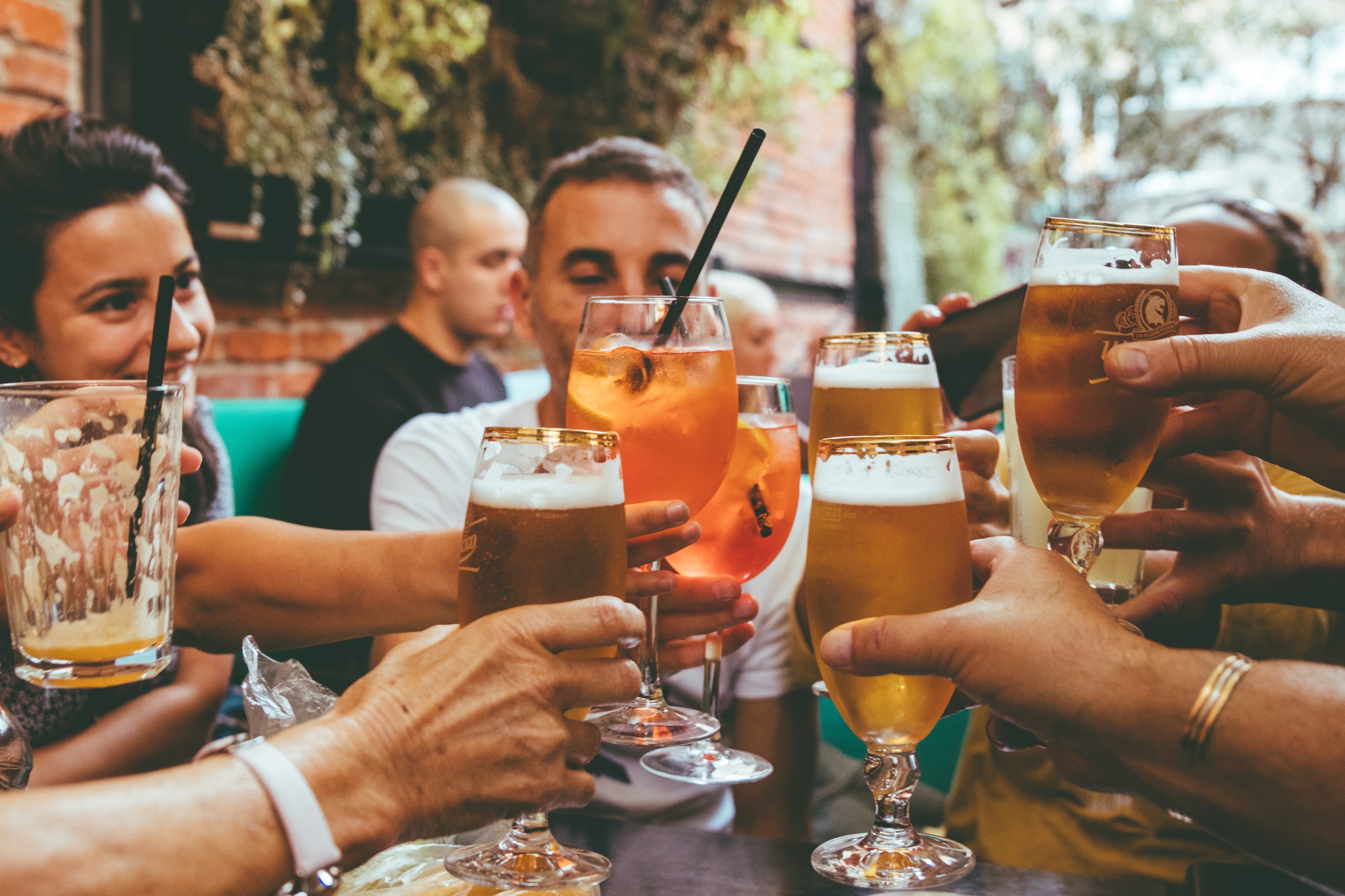
Our society glorifies drinking to an unhealthy extent. From “Mommy’s drinking wine” to bottomless mimosa brunches to every social event being an excuse to drink, it’s all around us and it can feel very isolating if you’re someone who doesn’t like to drink. I often feel very weird about my disinclination for drinking; there’s this part of me that wants to be that suave thirty-something with a wine subscription and a bar cart in my dining room filled with alcohol. Instagram makes drinking so enticing, doesn’t it? But that’s just not who I am and, deep down, not who I want to be. If that’s your jam, I love that for you. But it’s not for me, it’s not for many of us, and that needs to be just as accepted and celebrated. Sobriety isn’t only for recovering alcoholics. It’s also for people who just don’t want to drink, too.

While I didn’t quit drinking completely in 2021—I quickly realized that I do need the liquid courage of alcohol when I’m at events like weddings, and sometimes I really enjoy drinking a cider or fruity cocktail, especially if I can’t taste the alcohol in it, ha—going through the machinations of quitting drinking helped me to become better at telling people that I don’t drink. It’s fine if you do, but it’s just not something I’m interested in. I don’t keep any alcohol at home (I once had a handful of White Claws in my fridge for at least a year, and that helped me to realize I don’t need to have alcohol at home). I don’t even own wine glasses! I’ll order a drink if something catches my eye, but I’m also just as happy sipping ice water or a soda.

These days, I’m not exactly sure where I stand with alcohol. I enjoy it, but I could also never have another drink again and I’d be completely fine. It’s not something I need, nor crave, on a regular basis. I wish it were more socially acceptable to be a non-drinker—not only to support recovering alcoholics, but also so people can say that they don’t like to drink without it becoming a conversation filled with questions and unnecessary opinions. It’s nobody’s business why you aren’t drinking, and that needs to be more socially acceptable.

My alcohol intolerance gave me a built-in excuse for not drinking, but I’ve also come to realize that I don’t need this excuse. I’m an adult that doesn’t really like to drink, and that’s enough.

Categories: About Me

The Girl I Was Then

I’m currently deep in the archives of my blog, rereading posts from 2009, 2010, and 2011 as I prepare to completely revamp my category and tag system. It’s been quite the adventure and gives me a really good look at the girl I was in my early twenties as I navigated college, work, and internships. This was also the era where I was becoming estranged from my father, so I’m having a lot of emotions as I read back through those posts and recognize the pain in that decision.

Reading through those posts, I’m startled by the amount of personal growth I’ve been through in the past decade. Logically, I know I have been through a gauntlet of growth, between coming to terms with my sexuality, deconstructing my faith, embracing and loving my fat body, becoming more independent, and celebrating career milestones. But I can really see the difference when I compare how I talked about myself then to how I talk about myself now.

The girl I was then was so very hard on herself. Perfection was the goal, and I would beat myself up over and over again when I didn’t live up to these unrealistic standards. I just want to give my younger self a great big hug and tell her to loosen up. It’s all going to be okay. Life is going to work out in ways she never expected.

At that time in my life, I was obsessed with my weight. I was only 20ish lbs overweight (although looking through the pictures of that time in my life, I think I was actually just fine), but all I wanted was to be skinny. I was a yo-yo dieter who wrote weekly weigh-in posts and trashed myself when I didn’t lose weight or have a perfect week of eating and exercise. I was consumed with wanting to become a runner, signing up for half-marathons multiple times, only to revert my registration to the 5k distance once the training became too much for me. To be fair to myself, fat positivity wasn’t really a part of our lexicon at that time. This was the era of The Office, where fatphobic language was rampant, and The Biggest Loser, where fat people were screamed at in the hopes of “inspiring” them to lose weight. It makes sense that I was obsessed with dieting, that I thought that by getting my weight under control (whatever that means), I would evolve into a happier, more fulfilled person.

At this time, I was working 20 hours a week at a preschool, taking 4 college classes, and working at an internship a few hours a week. My mom and I were struggling financially, barely making ends meet. There was a lot going on, and I really wish I could have given myself a break. I was under enough stress without adding dieting to the mix!

The girl I was then was consumed with being the perfect Christian girl and finding the perfect Christian husband. I had always struggled with my faith—not my belief in God, but in carving out quiet time to pray and read the Bible. I struggled against my “sinful nature” (i.e., reading books that didn’t exactly align with my beliefs like romance novels, my regular masturbation habit, my propensity towards cursing and getting angry when things didn’t go my way). It wasn’t until I began the process of deconstructing my faith and learning about other former Christians who struggled like I did that I realized what I was going through was normal and it didn’t make me a bad Christian. It made me human.

These days, faith really isn’t a part of my life anymore. I don’t go to church, I don’t pray, I don’t even have a Bible at home to read. I still believe in God and I still love listening to Christian music when the moment hits me. I love listening to podcasts that study the Bible through a faith-based lens (The Bible Binge) and podcasts that deconstruct Christianity and Christian pop culture (Good Christian Fun). I’m happy with where I am right now, even though 23-year-old me would probably be appalled at it.

Another thing I’ve been struck by when rereading my older posts is my idealism. There was so much I wanted from my life, and I would get so upset with myself when I didn’t live up to the arbitrary standards I set. In 2011, my word of the year was “risk,” which I chose because I felt like I was living a small life and didn’t seek out challenges that would force me out of my comfort zone. On the one hand, I think that’s a pretty normal experience for someone in their early twenties to have. We are pretty idealistic at that age and have so much hope for what our lives will look like! On the other hand, I just wish I could have sat my younger self down and pointed to all the different ways she had taken major, life-altering risks already:

  • Sending a letter to effectively sever the relationship with my father, something that took a level of courage I didn’t know I possessed and was the catalyst for improving my self-worth and life as a whole
  • Switching my major from education to communications a semester before I was scheduled to graduate, which prolonged my college career but allowed me to graduate with a major much more relevant to my skills and have a career I love
  • Seeking out challenges like half-marathon training (even if I failed at it) and a marketing internship because they sounded like fun

Hindsight, of course, is 20/20 and I know we are much more capable of giving our younger selves grace than our present selves. It makes me wonder what things I’m giving myself a hard time about now that, in 10 years, I’ll wish I had given myself a break about.

Reading through my older blog posts is not always cringe-inducing, of course. I used to run a series called Vlog Fridays where I answered questions from blog readers. Watching those videos makes me smile at the girl I used to be. I was such a cutie pie, you guys! Ooh, I just want to smoosh my younger self because she was adorable and I love seeing a time capsule of my personality at this time in my life.

This was the time when personal blogging was really big and so were blogging awards. These were just really silly awards in which one blogger would fill out a short survey or write 10 things about themselves, and then tag in a few other people to do the same. There was always a badly designed image to go along with the award, and it was so much fun to get tagged in and to tag other bloggers. Reading through the list of bloggers I used to tag, I realize just about all of them aren’t blogging anymore. But that’s just the way things go. People evolve, get married and have children, find other hobbies. For me, blogging has always been a constant in my life, something I turned to when I was lonely and in need of friends and an outlet.

I’m not always proud of the person I was on my blog back in the years of 2009-2011. But I am happy she had this space to be herself. Back then, I didn’t have a core group of girlfriends. I tried to join a young adults group at my church, but I felt very invisible and ignored whenever I went. I tried to join a Tampa-area bloggers group, but again, I felt invisible and ignored. I could never seem to grow any of the friendships I made in my college classes into anything deeper.

In my real life, it felt like my personality was just not enough for other people. I was too shy, too quiet, too Christian. What I did have, though, was my blog. This space became a haven for me. I was able to be my true, full self and people responded to it. I developed deep, meaningful friendships with people through my blog—friendships that hold true to this day. I had email chains and Skype video calls and text chains with blog friends who had different beliefs than me, different lives, but still loved me for who I was. It was only because of this blog and the people I met through it that I was able to finally go to a book club meeting in 2013 and meet the women who would become my best friends. It was only because of this blog and the people I met through it that I was able to open up my worldview, analyze my faith, take a good look at my sexuality, learn more about fatphobia, and hone my writing skills.

The girl I was then is so very different than the girl I am today. And the girl I am today will be so very different than the girl I am in 10 years. That’s a good thing, that’s what we want from our lives. To be continually growing and opening our minds and discovering who we are in deeper ways. It’s hard to recognize the girl who was writing blog posts in that time period, but she is a part of my history and for that, I want nothing but the best for her.

How would your 10-year-younger self react to the person you are today?

Categories: About Me

Living With Mental Illness

It’s been a rough start to the year for me, as I’ve been dealing with day after day of high anxiety. I like to think about my anxiety and depression on a 1-10 spectrum. When I’m at a 5, my anxiety is stable and my depression is dormant. When I drift below a 5, my depression is no longer dormant. When I was going through a depressive episode in the fall, I was operating at a 2. When I drift above a 5, I’m experiencing a state of high anxiety. On a regular basis, I think I operate as a 6. I always have just a little bit of anxiety, but it’s never enough to affect my day-to-day life.

Lately, though, I’ve been operating at more of an 8 or 9. And for one night a week ago, I was at a solid 10. (For me, a 10 is when I cannot stop my spiraling thoughts and I cannot think about anything else. I can’t sleep, I can’t read, I can’t watch TV. All I can do is curl up in a fetal position and whisper mantras to myself.)

When my anxiety gets bad like this, I’m usually dealing with anticipatory anxiety—thinking that something bad has happened that’s out of my control. And most of the time, I’m worried that something terrible has happened to my mom.

The night I was experiencing a “10” on my anxiety scale was a night when I couldn’t get ahold of my mom. I called her at 9:30pm and she didn’t answer. Then I called her twice more, around 10:30 and 11:30, no answer. How do you react when you can’t get ahold of someone? Most people can just go about their night. For me, I start imagining every worst-case scenario. While the logical explanation for why my mom didn’t answer my phone calls was that she went to bed early, I couldn’t stop fearing that something bad had happened.

And when I get into that downward spiral of anxiety, it’s almost impossible to break myself out of the cycle. It’s almost as if I think that if I imagine the worst-case scenario, it means the bad things won’t happen. I spent the entire night just trying to sleep but finding myself spiraling every time I closed my eyes. Because why wouldn’t the worst-case scenario happen? It does happen! Every day, people get the call or the knock on the door that rips their world apart. Who am I to be so lucky for it not to have happened to me yet?

And this, my friends, is why I don’t like watching or reading or listening to true crime. I know some people love it, but it just reminds me that terrible things happen on a daily basis and lives are upended regularly. I still remember a night when my mom and I were leaving the hospital after spending time with my grandfather who had just had surgery. We were getting into her car when someone parked hastily next to us, and then ran into the hospital crying. I don’t know what happened in this stranger’s life, but my heart broke for what she was going through, the grief she was going to have to endure. The grief we all have to endure at some point in our lives.

I think that’s the crux of my anxiety surrounding my mom. I know I will one day have to endure that grief. I know one day I will not be able to call or text her whenever I want. The thought of not having her in my life feels so scary. She’s the only person in this world who loves me unconditionally, who would move heaven and earth for me. And yes, I have family and friends who also love me dearly but there’s just something different, safer, about a mom’s love. Life just feels a little less scary and overwhelming because I know I have her in my corner and can lean on her when times get tough.

In the end, my mom called me on Saturday morning after 12 hours of me panicking. She was fine; she just went to bed early. It was the logical explanation all along.

Coming down from such a state of high anxiety is a process. I don’t return to a stable state immediately, especially if I’ve reached a “10” on the anxiety scale. It takes many days for my body to recover. I feel oversensitized, overstimulated. My body feels like it’s thrumming with energy. It’s almost as if I’m having aftershocks, where I still get these anxiety spikes from time to time as I remember what I just went through.

Eventually, though, my body returns to its stable state. It can take a few days or a few weeks, but it gets there. I stop living in my anxiety and rather live with it.

To be honest, I don’t have many of those high-anxiety days. My anxiety has never been something that affects my life in such a significant way. Even before I started taking anti-anxiety medication, I was a high-functioning anxious person who could live her life, get her work done, and meet her goals without too much hassle. There was just always a feeling of walking on eggshells, standing on the edge of a mountain, waiting for the next shoe to drop. With Lexapro, I don’t feel that underlying sense of dread on a daily basis. It’s just something that pops up from time to time, and there’s usually a reason attached to it (my mom not calling me back, for example). But still, it’s an illogical response to a simple situation, which is anxiety in a nutshell.

On Monday, I had my first therapy appointment in nearly two years. It was more than time to go back to therapy, but therapy isn’t exactly cheap, especially being on a high-deductible insurance plan as I am. But my work is now offering more affordable therapy (they told us it was free; it is not, but that’s a story for another day) and I was desperately in need of a professional to talk to. After spending a year and a half in therapy, I left feeling mentally well, stable, and equipped with the tools to help me through my anxiety and depressive episodes. And those tools worked for a long, long time. I even made it through the early months of COVID without falling into anxiety spirals or depression. (A feat, to be sure.) But lately, I’ve felt as if I’ve forgotten everything I learned in therapy and I’ve been letting my anxiety get the best of me. So, back to therapy I go.

And truly, truly, truly, it feels like a sigh of relief to be back in therapy. It feels so comforting to hear my therapist say, “This is completely normal for someone with anxiety. You’re not alone.” Even though I know I am not alone in my anxiety, that many, many other people suffer just like I do, it’s easy to feel very alone, very crazy, when I’m curled up in a ball on my bed in the middle of the night, my mind racing through scenarios where my mom is dead. It’s easy to feel like a nutjob when just my mom not answering my call can make me fall apart in this way. But when my therapist tells me this is very common for people with generalized anxiety disorder and there are plenty of strategies to combat the anxiety—and especially knowing I’ve been through therapy and found useful tools to help me—it was as if I was able to take my first big sigh of relief in months. I am not alone. I can fight this. And I will get better.

This is a long post. Originally, I planned to write a “coffee date” post today where I wrote a little about the anxiety struggles I’ve been dealing with (along with other life updates), but once I started writing about them, I quickly realized this needed to be its own post. I needed to get this off my chest, to talk about where I’m at with my anxiety right now. I talk about mental health, about my struggles with anxiety and depression, because it’s important. It’s important to know that even those who appear to be high functioning and mentally well may be suffering behind the scenes. It’s important to know that mental health is never static; it comes and goes in waves, and we must be diligent about reaching out and trying to get ahead of the wave when possible. (It’s not always possible.) It’s important for me to speak about my anxiety, to bring it into the light, as that is how I lessen its power over me. It’s important to continue to demystify mental health, therapy, and medication. It’s important to talk about the nitty-gritty of living with mental illness, the highs and the lows. For a long time, my mental illness was stable. Until suddenly, it was not. And that’s the way it goes for us.

Ultimately, I just wanted to bring you guys into my world, into the mind of someone with an anxiety disorder. It’s a fucking exhausting place to be, and it’s something I will be battling my entire life. But we’re all dealt a lot in life, and this is mine. I’ve made peace with it, and all I can do is continue to open up about my struggles to destigmatize mental illness and help others feel less alone.

  • « Previous Page
  • 1
  • …
  • 8
  • 9
  • 10
  • 11
  • 12
  • …
  • 46
  • Next Page »

Welcome!

Welcome!

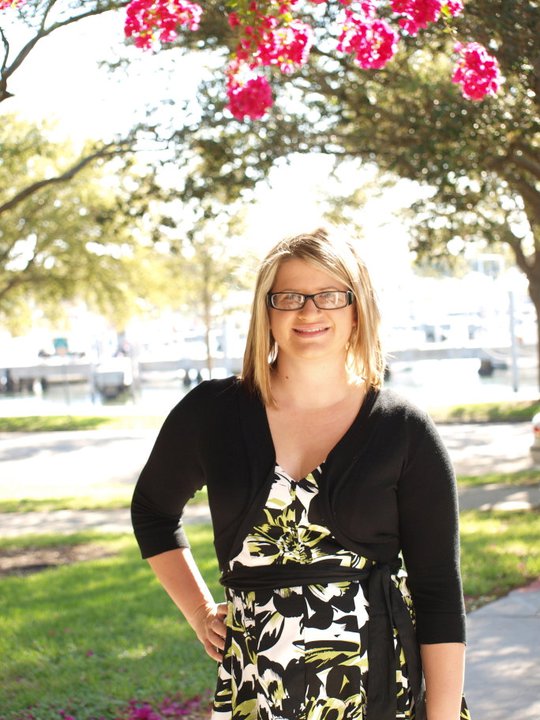
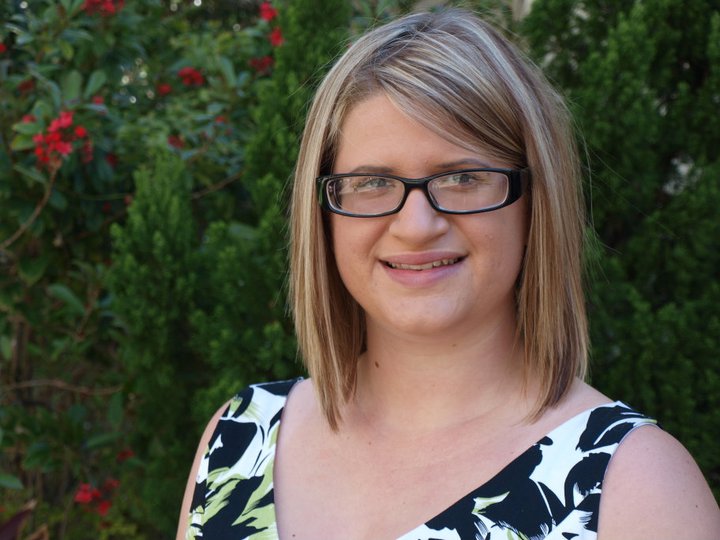
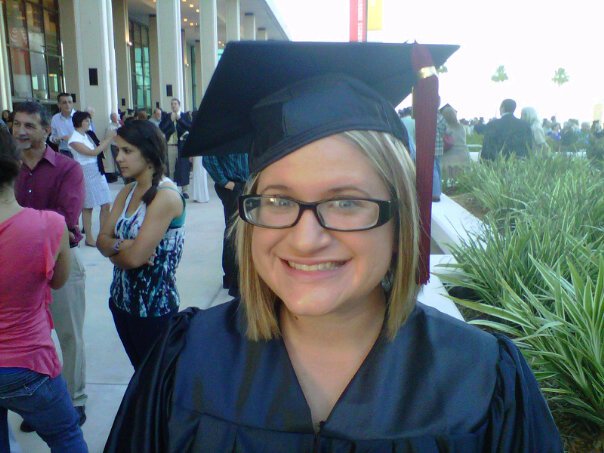
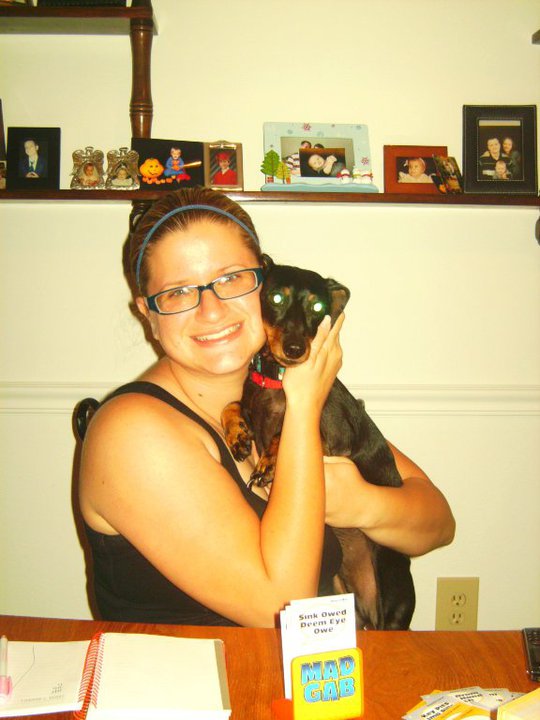
Hi, I'm Stephany! (She/her) I'm a 30-something single lady, living in Florida. I am a bookworm, cat mom, podcaster, and reality TV junkie. I identify as an Enneagram 9, an introvert, and a Highly Sensitive Person. On this blog, you will find stories about my life, book reviews, travel experiences, and more. Welcome!

About me

Subscribe to Blog via Email

Enter your email address to subscribe to this blog and receive notifications of new posts by email.

Recent Posts

  • One Photo Per Day: September 26 – October 2
  • TGIF (v. 86)
  • Currently in September
  • What I’m Reading (9.28.26)
  • One Photo Per Day: September 19 – 25

Search This Blog

Archives

Privacy & Cookies: This site uses cookies. By continuing to use this website, you agree to their use.

To find out more, including how to control cookies, see here: Cookie Policy

Copyright © 2026 · Theme by Blog Pixie

Copyright © 2026 · Sasha Rose Theme on Genesis Framework · WordPress · Log in