Good Stuff
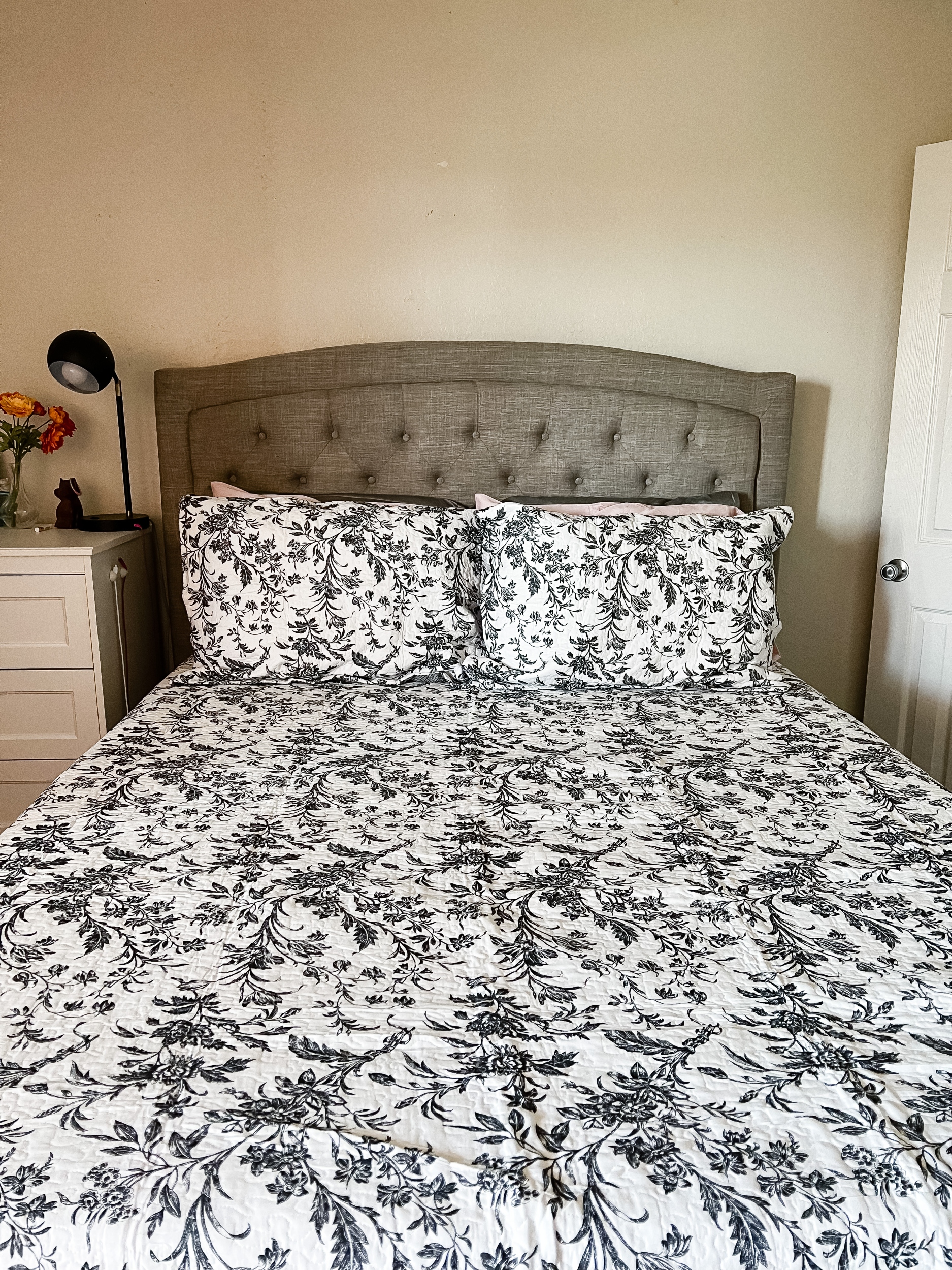
Early in the month, my new tv bed arrived! It has been amazing to sleep on a brand-new mattress. I’ve said before how I didn’t realize how lumpy and saggy my old bed was until I started sleeping on this new one. It has made a world of difference in my sleep! My new bedframe is also smaller than my old one since there isn’t a huge footboard to deal with, so it’s given me some space back in my bedroom, which is also really nice!
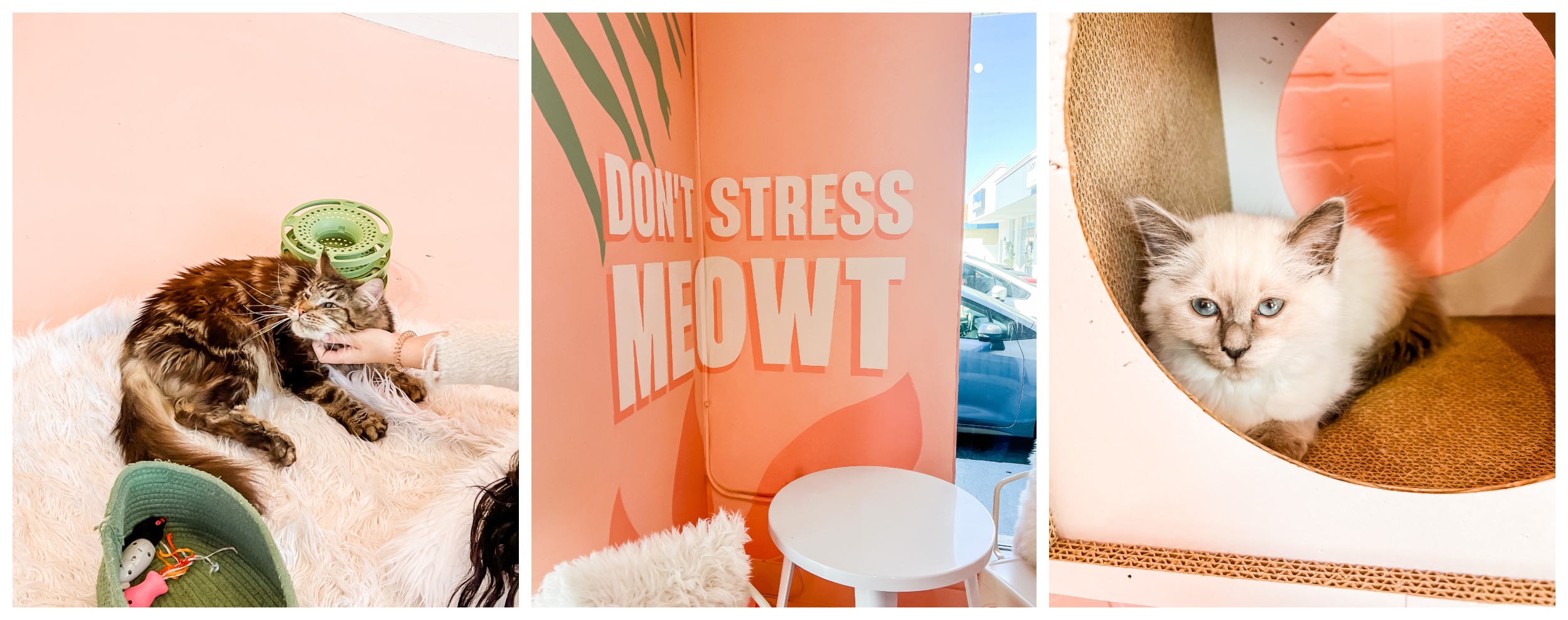
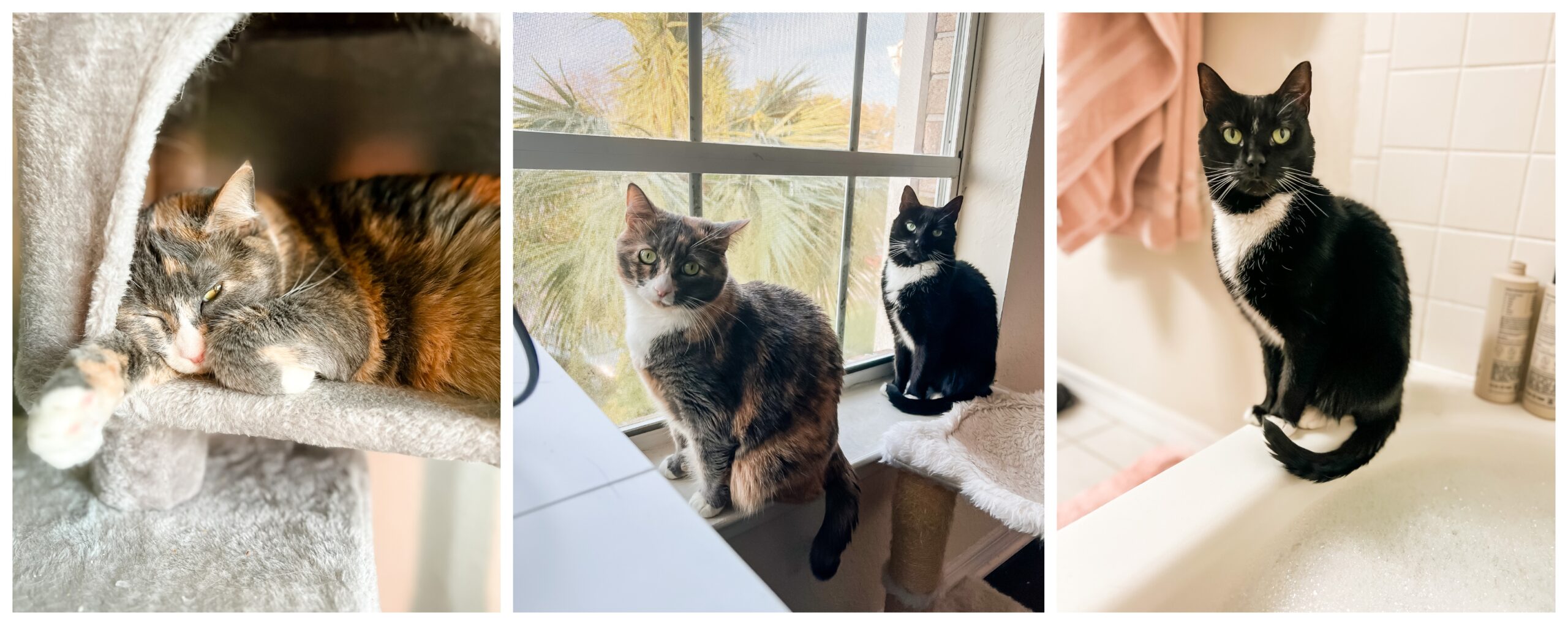
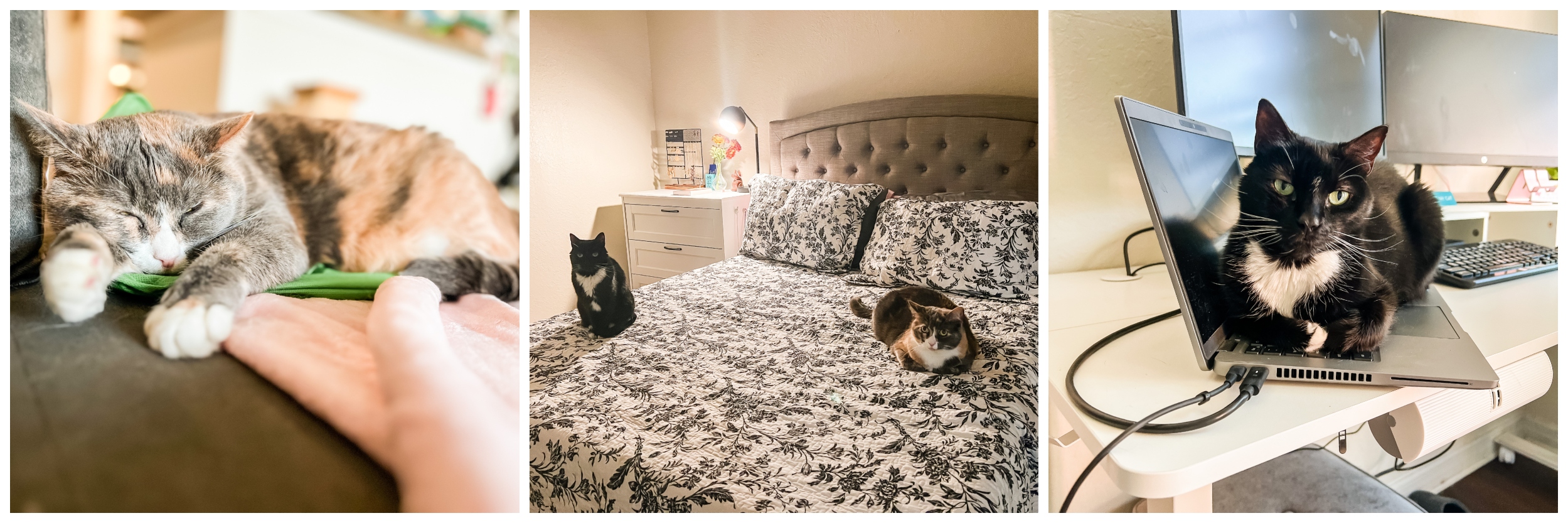
I took my girlfriend to a cat cafe in May, and we had a wonderful time! This cat cafe was made for photo ops and I really enjoyed playing with all of the kitties. I especially loved this adult cat who had the run of the place and acted like the king he is—at one point, he just plopped into the lap of one of the workers and let her hold him like a baby. He wasn’t an adoptable cat, but I would have adopted him in an instant if I could!
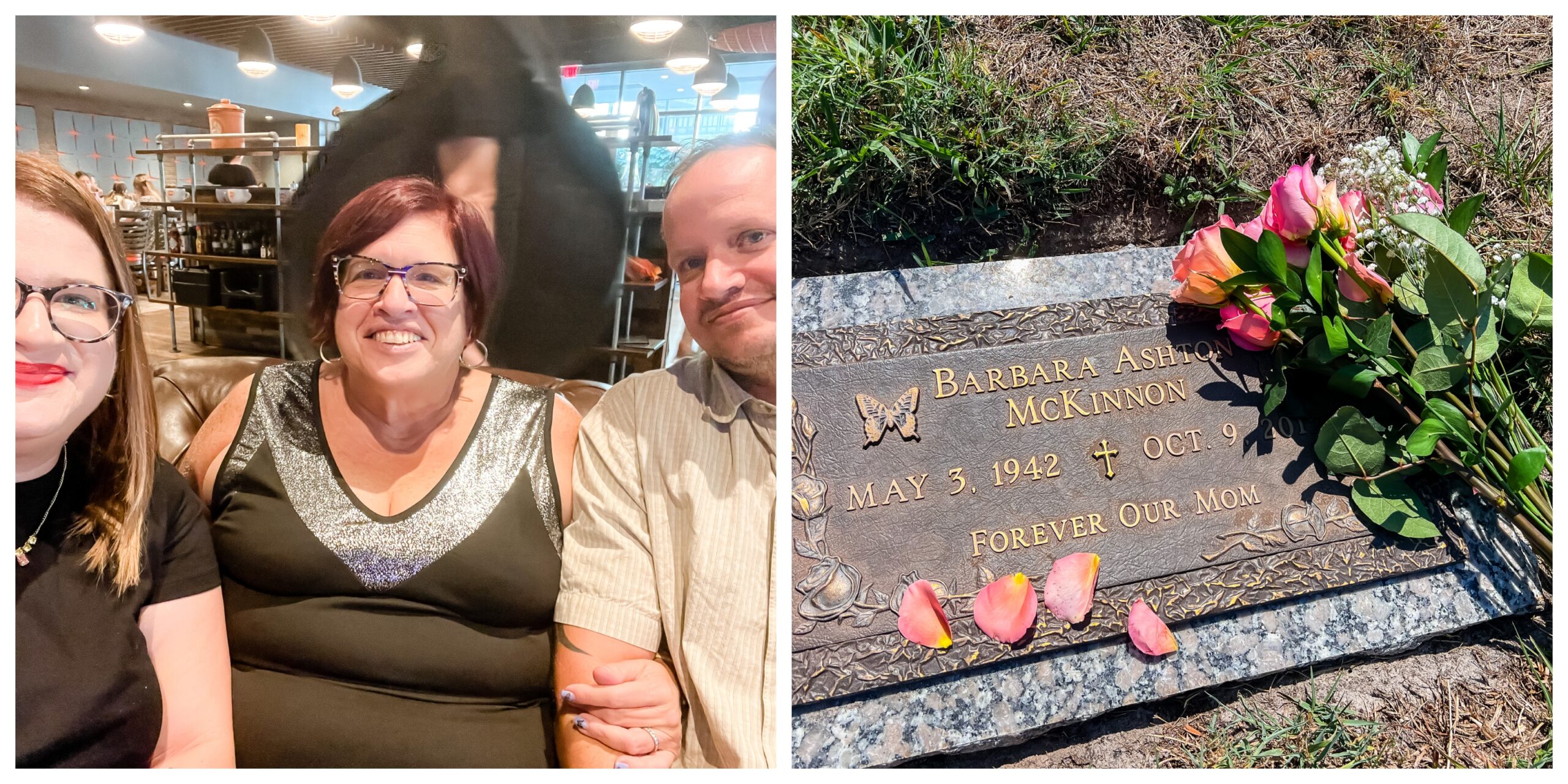
Mother’s Day was a simple, understated affair for us, mainly because we waited way too long to get a reservation at a restaurant. I need to set an alert in my phone to make the reservation 6 months ahead of time! Instead, we were able to snag an early-morning reservation at a very delicious breakfast place, and afterward, my mom and I drove to the cemetery to visit grandma and bring her flowers.
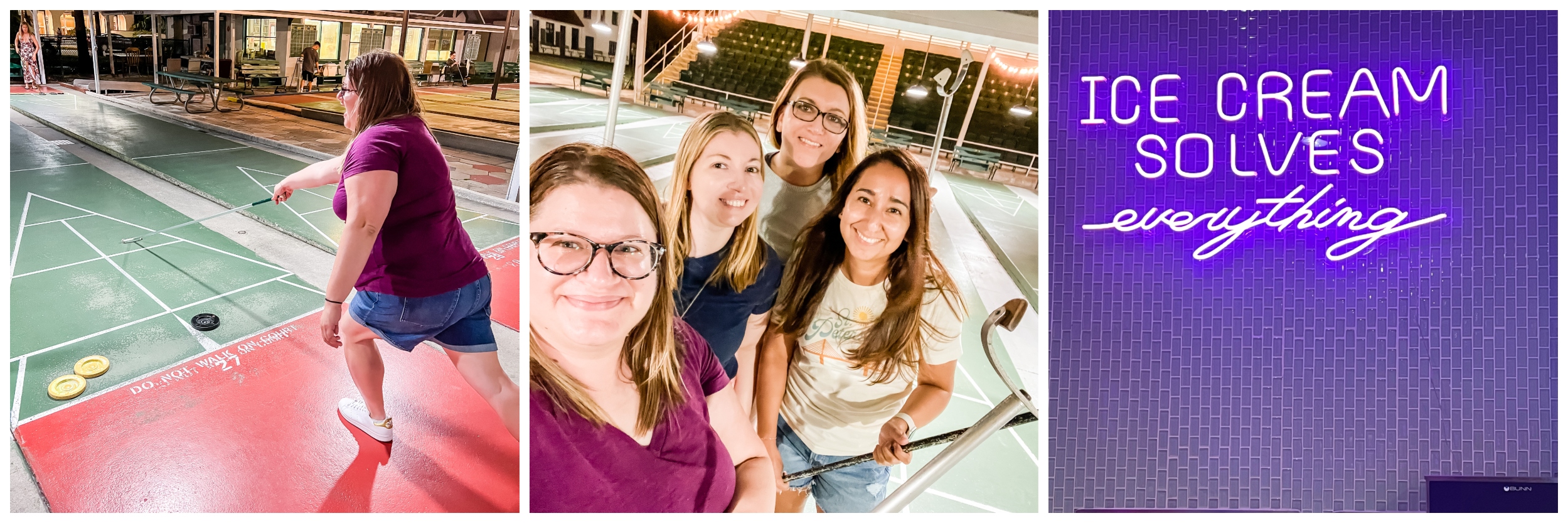
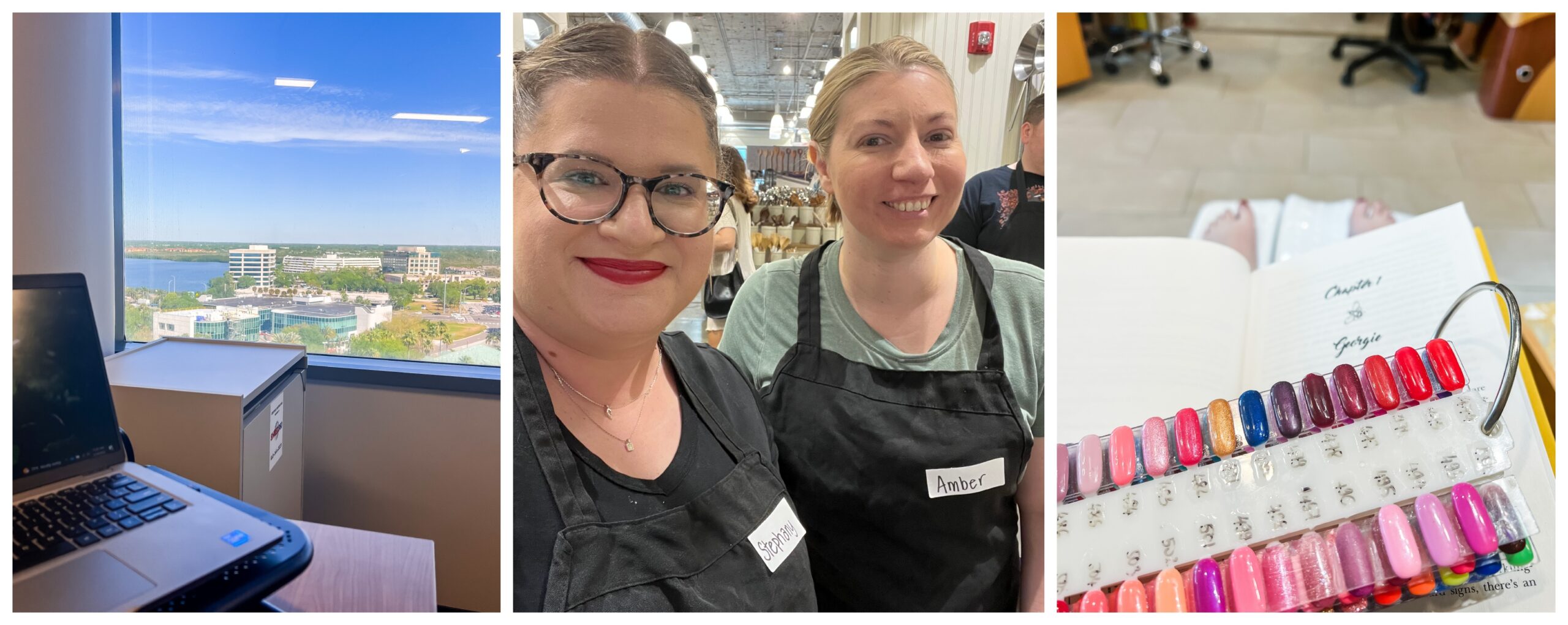
We had such a fun book club night this month! It ended up just being four of us since one member was sick and the other had a pet emergency (a false alarm, thank goodness). We started at our favorite downtown Greek restaurant where I stuffed myself on pita bread and tirosalata, and then we headed to the St. Petersburg Shuffleboard Club for a night of playing shuffleboard. We had a great time and played three games with a different team winning each time! How fun that we all got to experience winning! (Okay, so actually, Lynn was on the winning team every time and the other three of us rotated positions/teams on the shuffleboard court each game. Lynn was the scorekeeper so stayed put. The trick to winning was being on Lynn’s team! Haha.) Afterward, we found an ice cream shop and had a sweet treat to cap off a lovely evening.
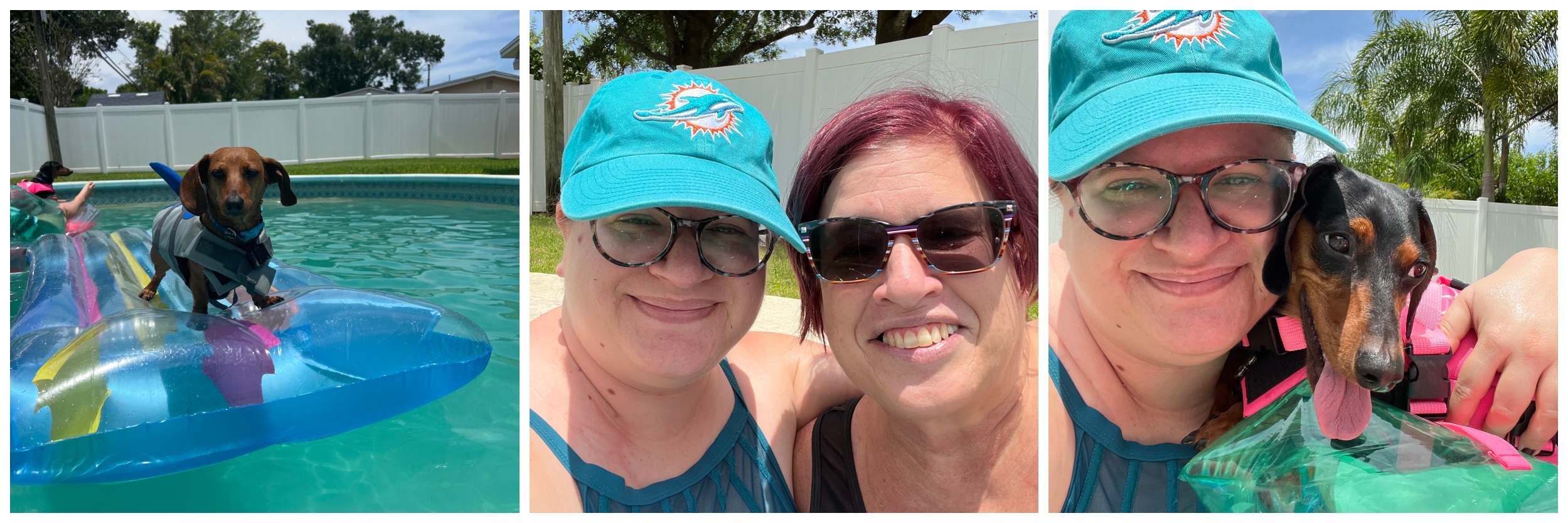
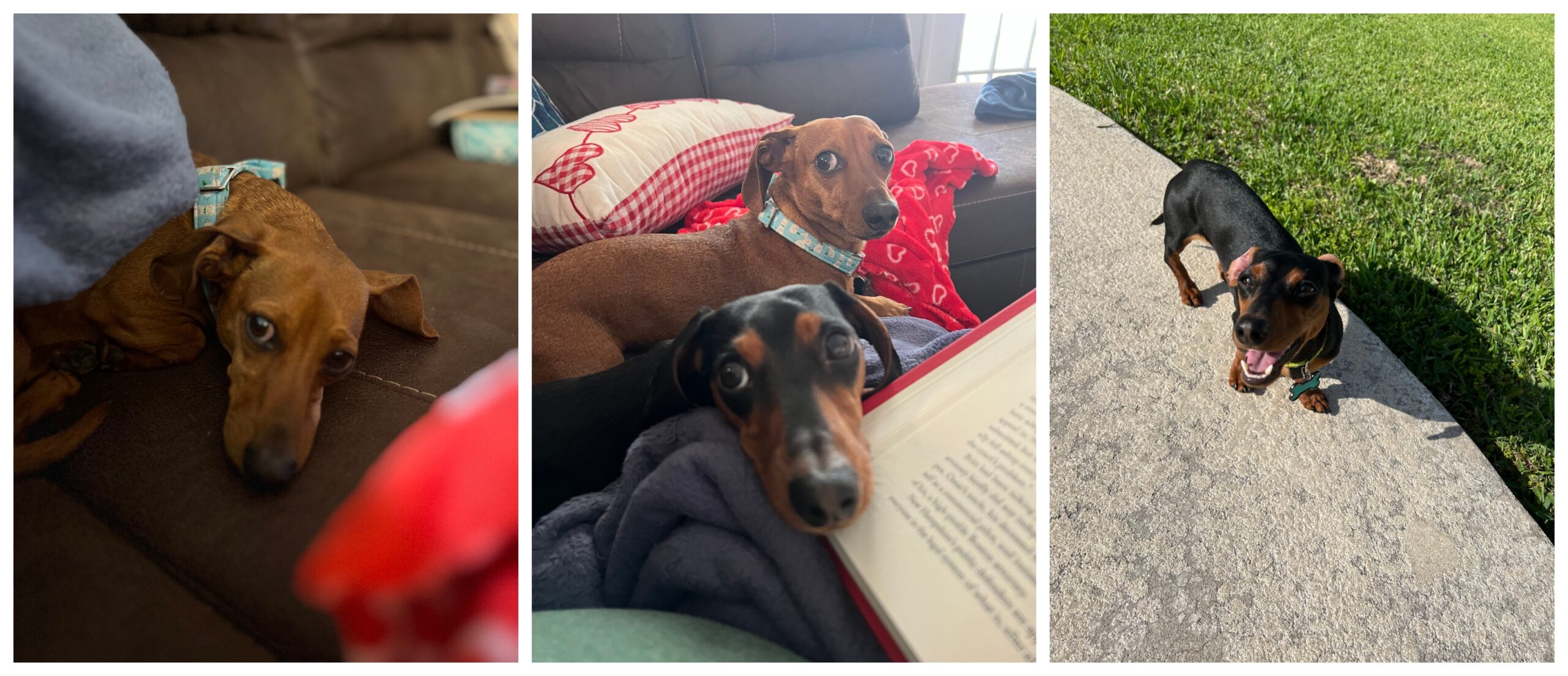
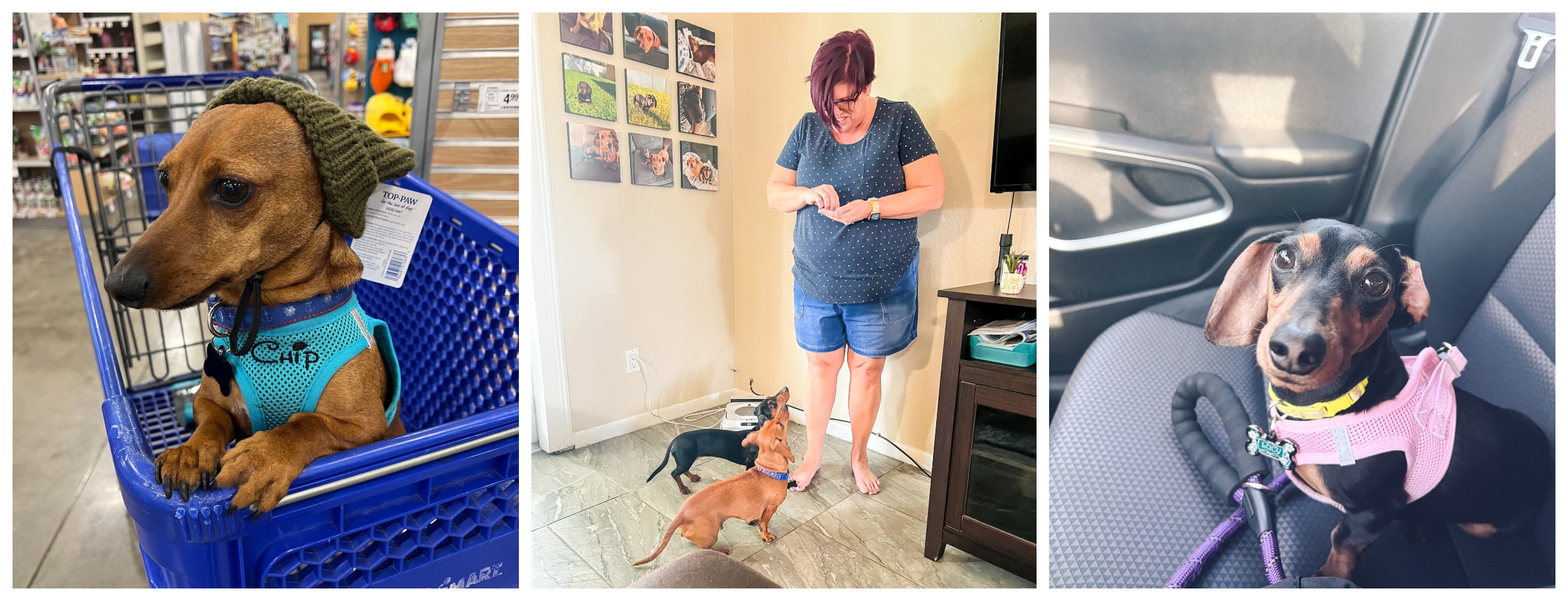
Memorial Day was wonderful, as I invited myself over for pool time and a cookout. Ha! My mom and I spent time in the pool together with the dogs who were so cute in their life jackets and enjoyed jumping on and off our pool floats. I really loved just laying on a pool float, closing my eyes, and letting the water carry me around and around the pool. Afterward, Robert grilled us an amazing late lunch of hamburgers and hot dogs. I haven’t had a grilled hot dog in so long! We also had the juiciest watermelon and most delicious brownies to munch on. It felt like a great way to kick off summer 2023!
Hard Stuff
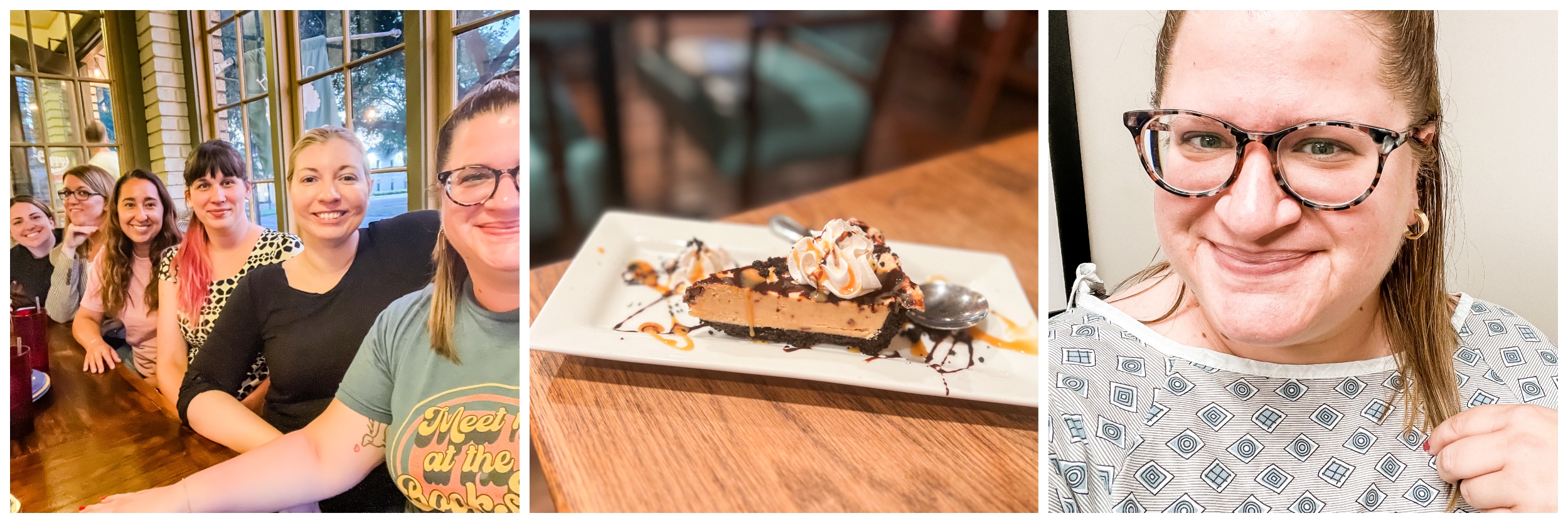
- Mole removal – My mole removal ended up being a bit more cumbersome than I expected. I needed to have two moles removed and thankfully, they were right next to each other, but it meant more stitches than I expected (7) and being a lot more careful because of the area of the back the moles were removed from. My doctor had to use stronger stitches and set them in deeper than typical to make sure they held together. Fun times!
- Ingrown toenails – To continue the medical woes of my month, I’ve finally come to terms with the fact that I have ingrown toenails on both of my big toes. I’ve always known something was wrong with them because they hurt so much after a pedicure and sometimes, it’s painful to even lightly touch the toe, but I didn’t put the two-and-two together until last month. One of my toes has gotten to be so painful that I just want to see a podiatrist and ask them to remove my entire toenail and let it grow back. (Dramatic, much?) I am going to attempt some at-home remedies in June and see if that helps.
Stuff I Recommend
- Jury Duty (TV show) – If you have not watched Jury Duty yet, what are you waiting for? It has become a cult favorite, it seems, and it’s well worth the watch! The premise of the show is that it’s a documentary being filmed about a jury trial, taking people behind-the-scenes on jury selection, jury deliberation, the ins-and-outs of a court case, etc. Only, the documentary is fake and everyone involved in the documentary is an actor… except for one person: Ronald. He thinks everything is real and that he’s filming a documentary. Ronald makes this whole show worth it because he is so earnest and sweet and likable. He is everything this world needs. The show is streaming on Prime and Freevee (I watched it on Freevee), so please watch it and tell me what you think!
- Mixtiles – I am going to once again shout about my love for Mixtiles, which is a photo app where you can print off cute little canvas tiles of your photos. They always have incredible sales (like, “buy 8 tiles, get 8 tiles free!”). I have a whole wall of Mixtiles in my home, and bought a few more when they were having a great sale last month. The quality is usually great and they are so easy to stick up on a wall and move around. I’ve had some issues with the adhesive not sticking as well for some tiles but I just slap a Command strip on the adhesive and it’s good to go!
- Weekly to-do list pad ($6) – I bought this pad on a whim when I was at Target sometime last month. I’ve been looking for a to-do list like this where I have both a place to list out my tasks for the week and a weekly calendar to see meetings at a glance. It’s been working out so well for me!
Bookish Stuff
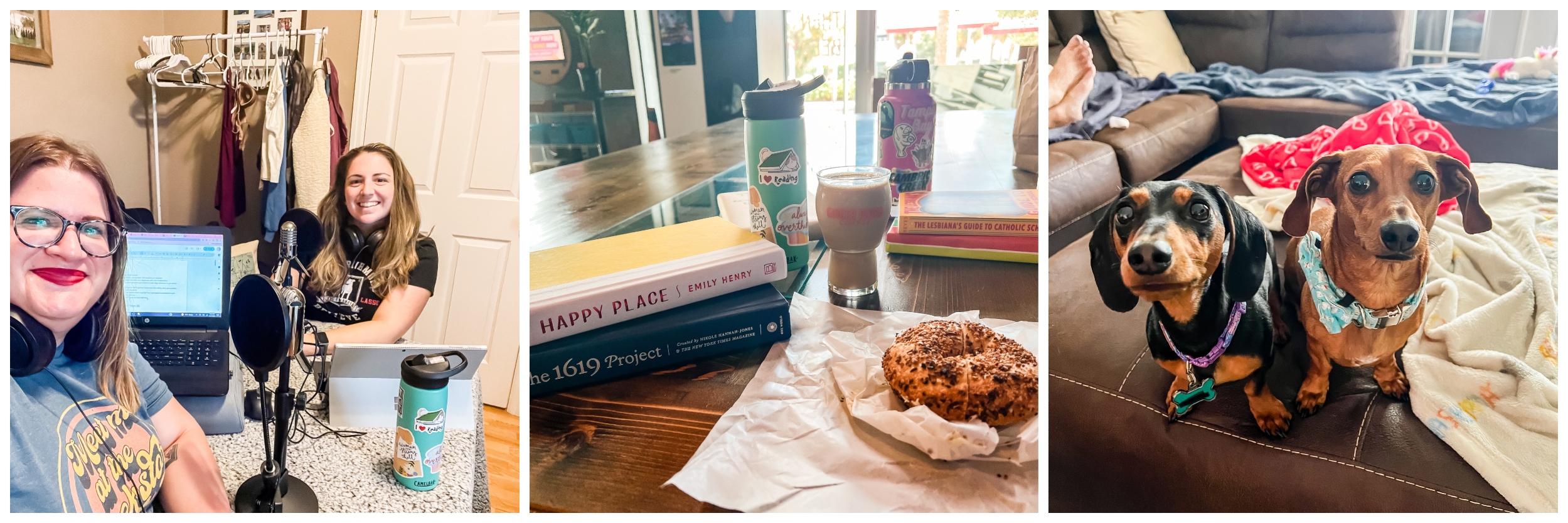
- # of books/pages read: 9 books (3,422 pages)
- Favorite book of the month: We Are Not From Here by Jenny Torres Sanchez
- Least favorite book of the month: The Power by Naomi Alderman (<– but this was still a 4-star read for me; I read all 4- and 5-star books in May!)
- Quickest read: The Swimmers by Julie Otsuka (5 days)
- Longest read: The 1619 Project, edited by Nikole Hannah-Jones (23 days)
- Books I abandoned: none!
- Format breakdown: print books (3), e-books (3), and audiobooks (3)
- Genre breakdown: Fiction (4), romance (3), nonfiction (2)
Goal Stuff
- Go for a walk every day (19/31) – I was doing so well with this goal until I had my mole removal and basically stopped doing most physical activity while it healed. I could have gone for short walks every day, but I didn’t. But hey, 19 walks ties January as my highest total for this goal so there’s that.
- Drink a bottle of water every day (13/31) – This seems to be my magic number, as I’ve hit 13 days of drinking a full bottle of water a few times this year. Maybe in June, I can make it to 15?!
- Complete 100 Peloton workouts (40/100) – I did 14 Peloton workouts before my mole removal happened, so this really helped me get back on track with this goal. Wahoo! I just need to log 10 Peloton workouts in June.
- Buy a new mattress and bedframe – This was a big goal for me in 2023, and I’m glad I can finally mark it complete. My brother delivered my new mattress/box spring early in the month and also put together my bedframe for me. What a guy!